
How does soft food debris get converted to hard tartar (calculus)?
After brushing a thin saliva derived layer forms on the tooth surface. This is called the pellicle. Bacteria attaches to this layer and starts multiplying. Soft food debris attaches to the pellicle and becomes a slimy layer called the plaque or biofilm. If this plaque is removed by brushing and flossing, it does not progress to the next stage.
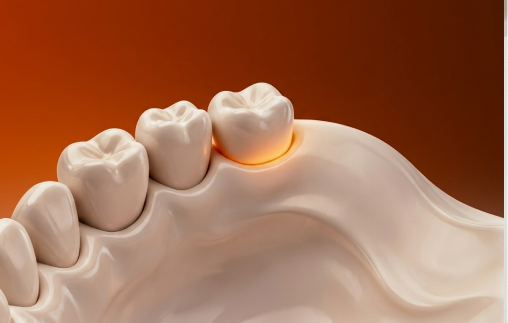
If the mature plaque which has combination of protein, bacteria and food debris is left undisturbed for more than 12 hours it has the potential to absorb calcium and phosphate ions present in the saliva and mineralizes to form hard tartar (calculus)
- 0–4 Hours: Biofilm begins to form almost immediately after eating.
- 12-16 Hours: If not removed by brushing and flossing, the soft biofilm starts to mineralize (harden) and becomes tartar/calculus.
- 10–12 Days: The average time for plaque to fully mature and become heavy calculus.
Why Do You Need It?
- Prevents Gum Disease: It stops the progression of gingivitis (swollen, bleeding gums) into more severe periodontal diseases that can lead to tooth loss.
- Removes Tartar: Once hard tartar forms on the tooth surface only a dentist can remove this buildup, which is a major cause of decay and gum issues.
- Freshens Breath: Removes bacteria-trapping deposits that cause bad breath (halitosis).
- Stain Removal: Eliminates superficial stains from tea, coffee, or smoking, restoring the natural brightness of teeth.
- Systemic Health: Poor oral hygiene is linked to heart disease and diabetes; cleaning reduces this risk.
The Procedure step-by-Step
- Examination: The dentist or hygienist performs a detailed examination of your teeth and gums, looking for signs of decay or gum disease.
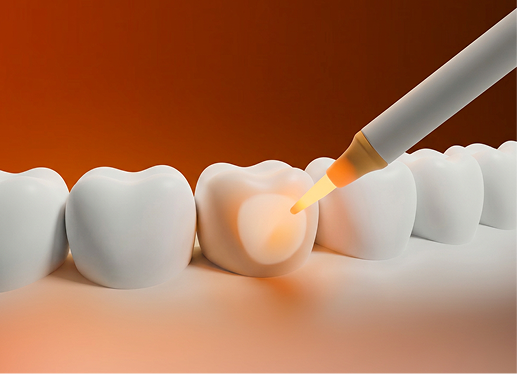
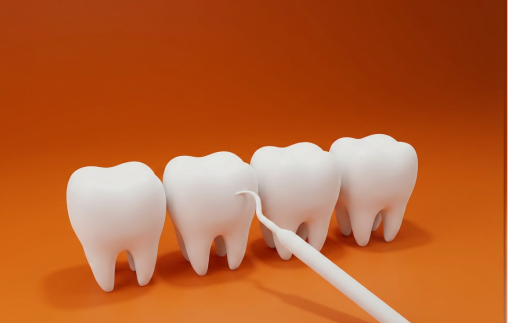
- Scaling: An ultrasonic scaler (a device that vibrates and uses water) is used to remove hard tartar deposits above and below the gum line. It is not painful, though some sensitive patients might feel discomfort.
- Polishing: A special paste and rubber cup are used to polish the teeth, making them smooth and shiny.
- Flossing: The dentist may floss between the teeth to ensure they are clean
Key Facts for Patients
- Frequency: It is generally recommended to get this done every once or twice a year based on regular maintenance by the patient
- Safety: It does not remove or damage the tooth enamel.
- No "Gaps" Created: The myth that cleaning creates gaps is false; it only removes the tartar filling the gaps, which was already harming the teeth.
- Sensitivity: You may feel mild sensitivity for a few days after the procedure because the deposits have been removed, exposing the natural tooth surface.
Regular oral prophylaxis is not just for whitening; it is a fundamental part of preventive dentistry to maintain overall heath
Professional teeth cleaning (oral prophylaxis) removes hardened plaque and tartar that brushing and flossing cannot remove at home. At Rajan Dental in Chennai, dental scaling helps prevent gum disease, bad breath, and tooth loss.
- Why it’s needed: Plaque quickly matures into hard tartar that traps bacteria, leading to bleeding gums, gum disease, decay, and bad breath.
- What we do: We examine your teeth and gums, use an ultrasonic scaler to gently remove deposits above and below the gum line, then polish your teeth.
- How often: Usually once or twice a year, depending on your gum health and risk factors.
- Myth vs fact: Teeth cleaning does not damage enamel or create gaps; it only removes tartar that was already harming your teeth and gums.
Results you can expect
- The mouth feels cleaner.
- Fresher breath.
- Less gum bleeding.
- Brighter teeth.