
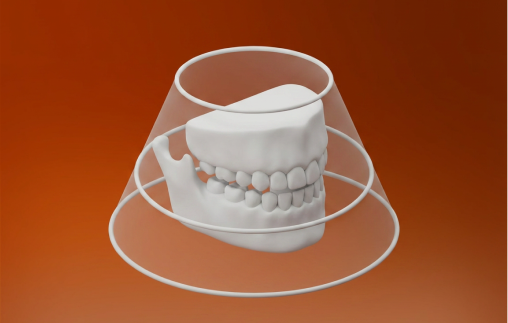
A CBCT 3D dental scan (Cone Beam CT) creates a detailed 3D image of your jaws, teeth, and surrounding structures for advanced diagnosis and treatment planning. At Rajan Dental in Chennai, we rely on CBCT for precise implant, surgical, and complex case planning.
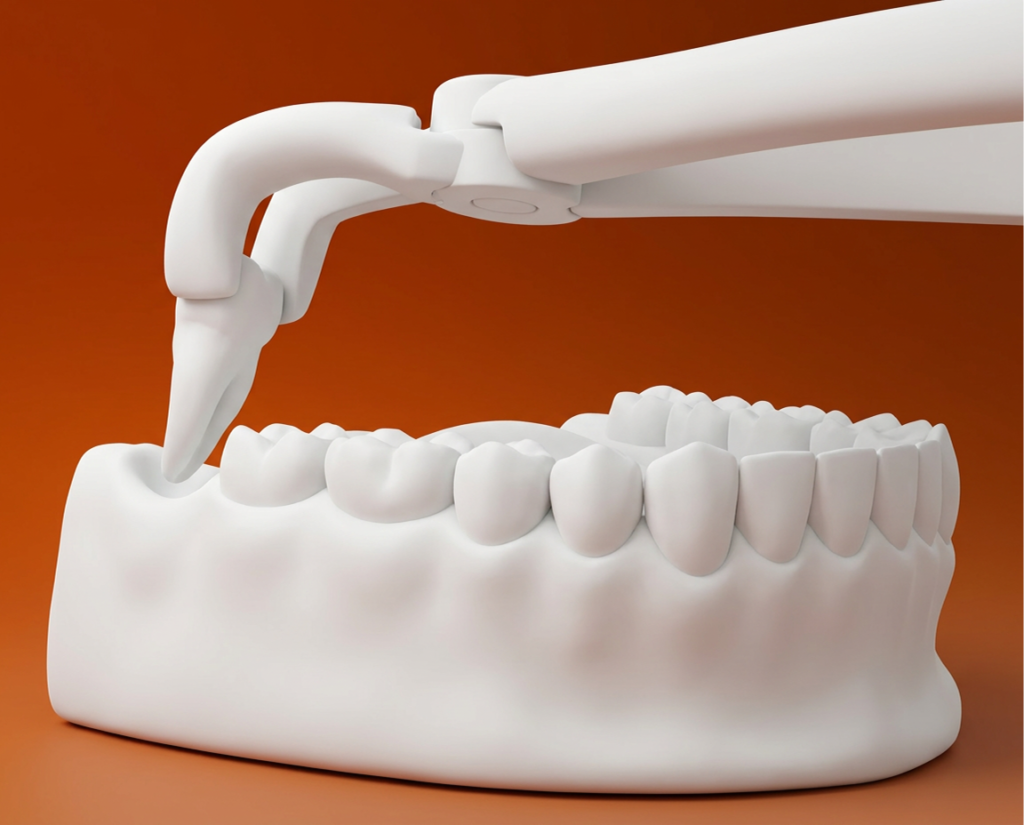
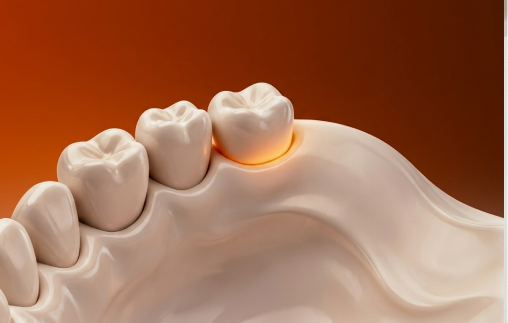
- Where we use it: Dental implant planning, impacted teeth, complex extractions, jaw surgery, TMJ assessment, and airway evaluation for sleep apnoea.
- Why it’s important: Shows exact bone height, width, and quality and the position of nerves and sinuses, making procedures safer and more predictable.
- Radiation and safety: Uses much lower radiation than conventional medical CT scans, and we limit the scan area to what’s clinically needed.
- How the scan works: You sit or stand while the cone‑shaped beam rotates around your head for about 20–40 seconds and a computer generates a 3D model.
Results you can expect
- More predictable outcomes.
- Safer implant placement.
- Clear 3D jaw view.
- Better surgical planning.