
Orthodontic X‑ray – Lateral Cephalogram in Chennai
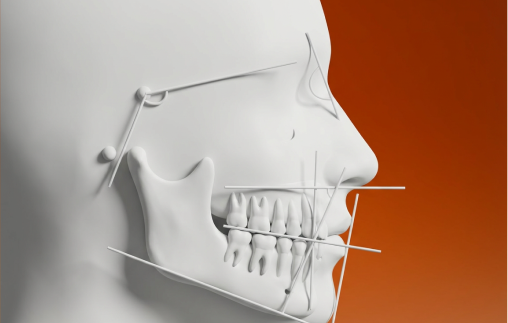
A lateral cephalogram is a special side‑view orthodontic X‑ray that shows your skull, jaws, teeth, and soft tissues in one image. At Rajan Dental in Chennai, we use it to plan braces, clear aligners, and jaw surgery with precision.
What it shows: The relationship between your upper and lower jaws, front teeth angles, facial balance, and airway size, all from a profile view.
Why it’s important: Helps design accurate orthodontic treatment, predicts changes in your facial profile, and is essential for jaw (orthognathic) surgery planning.
Who it helps: Children, teens and adults starting braces or clear aligners, patients being evaluated for jaw growth issues or complex bite problems.
How it’s done: You sit or stand with your head supported while the machine rotates around you for about 10–15 seconds; radiation is minimal and the process is painless.
Results you can expect -
- Clear view of jaw and bite.
- Better braces/aligner planning.
- Fewer surprises in treatment.
- More predictable results.
Growth assessment: For kids and teens, we can track how the jaws are growing over time and catch problems early.
How is it taken?
It's quick and painless — just like a regular X-ray, but you'll be positioned differently.
- Positioning: You'll stand or sit with your head held steady in a special frame. We'll make sure you're looking straight ahead with your teeth together in a natural bite.
- The scan: The X-ray machine rotates around your head, capturing a full side-view image. It takes about 10–15 seconds. You just need to stay still.
- Results: The image shows up immediately, and we can analyze your jaw structure, tooth position, and facial proportions right away.
What can we see on it?
- The relationship between your upper and lower jaws
- The angle of your front teeth
- Your airway size (important for breathing issues)
- Bone structure and facial balance
- How your lips and chin relate to your teeth
Is it safe?
Yes. The radiation exposure is minimal — much lower than a regular medical X-ray. We also use lead aprons to protect the rest of your body.
Do you need one?
We'll recommend a lateral cephalogram if:
- You're starting orthodontic treatment
- You're planning jaw surgery
- You're getting implants in the lower front area
- We need to monitor jaw growth in a growing child